


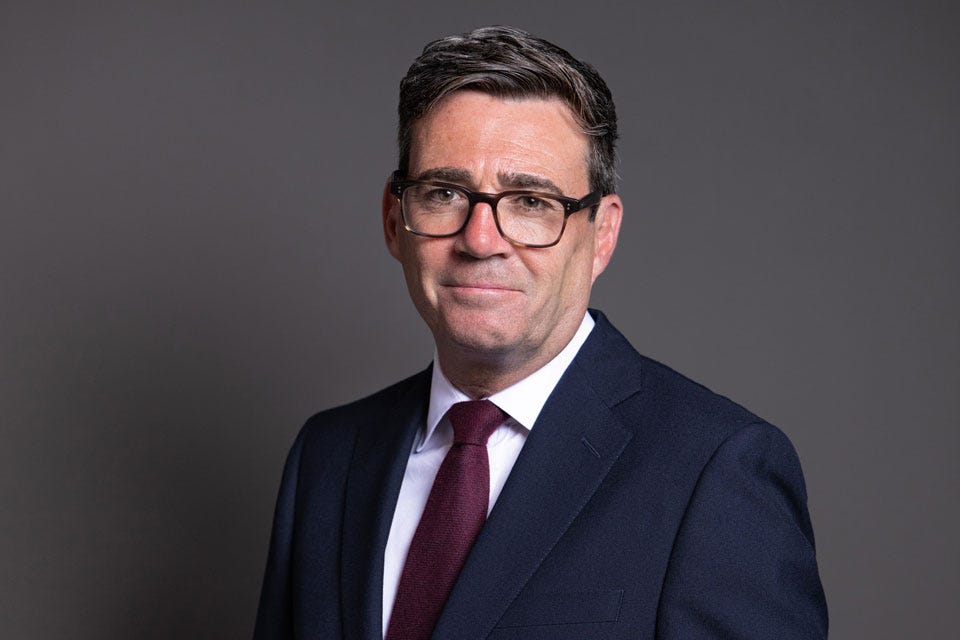
Britain has a new prime minister. Andy Burnham, the former Mayor of Greater Manchester and a long-serving Labour politician, has taken office following the resignation of Keir Starmer, marking a dramatic change in the country's political leadership.
Burnham's rise to No. 10 represents the culmination of a political career spanning more than two decades. After serving as an MP, Health Secretary, and Culture Secretary under previous Labour governments, he twice unsuccessfully sought the Labour leadership before reinventing himself as the Mayor of Greater Manchester in 2017. There, he built a reputation as a champion of regional investment, improved public transport, and greater devolution of power away from Westminster.
During his first speech as prime minister, Burnham promised what he described as a "circuit breaker" for Britain, arguing that the country needs a fresh political direction after years of economic challenges and declining public trust. He pledged to introduce a long-term national renewal plan focused on economic growth, regional empowerment, and tackling the cost-of-living crisis.
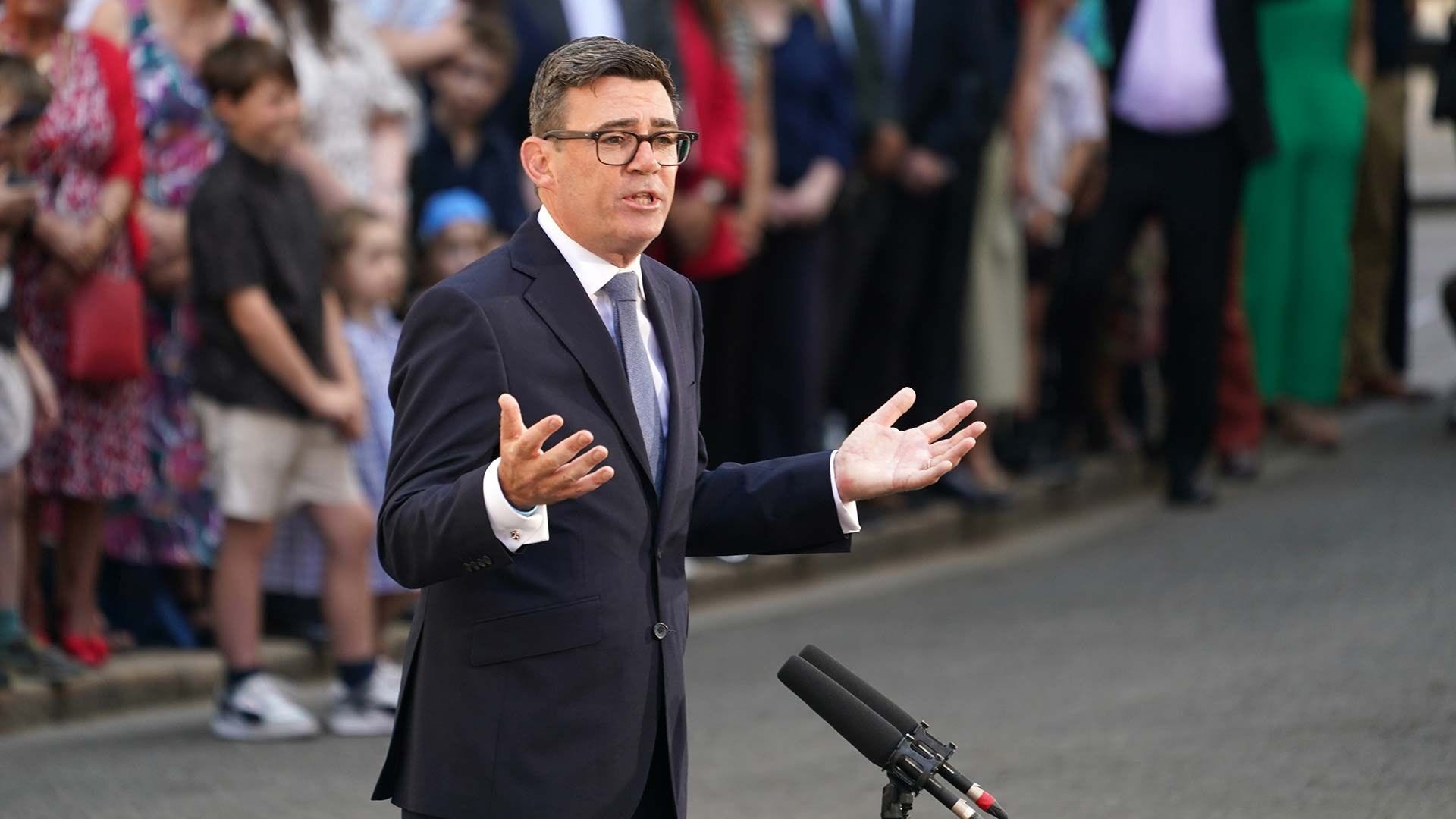
“We will make this moment a circuit breaker for Britain, bringing forward the biggest changes in the last forty years… and that work starts now.”
- Prime Minister Andy Burnham
A central theme of Burnham's agenda is devolution. Throughout his time in Manchester, he argued that local leaders should have greater control over transport, housing, infrastructure, and economic development. As prime minister, he has signaled that this philosophy will be extended across England, with the aim of reducing regional inequalities and shifting decision-making away from Whitehall.
Burnham also inherits significant challenges. Britain continues to face sluggish economic growth, pressure on public finances, and ongoing debates over housing, healthcare, and energy costs. While supporters see his record in Greater Manchester as evidence that pragmatic regional leadership can deliver results, critics question whether policies that succeeded at the city-region level can be translated to the national stage.
Politically, Burnham has often positioned himself on Labour's soft left, describing his philosophy as "aspirational socialism." Over the years, he has combined support for public investment and stronger public services with an emphasis on economic growth and community-led development. His supporters argue that this blend of traditional Labour values and practical governance helped make him one of the party's most popular politicians outside Westminster.
His appointment also reflects a shift in Labour's strategy. Burnham's popularity as Mayor of Greater Manchester, particularly during the COVID-19 pandemic, when he publicly challenged the UK government over regional funding, raised his national profile and earned him the nickname "King of the North." That reputation for standing up for local communities helped fuel his return to Parliament and ultimately his rise to the premiership.
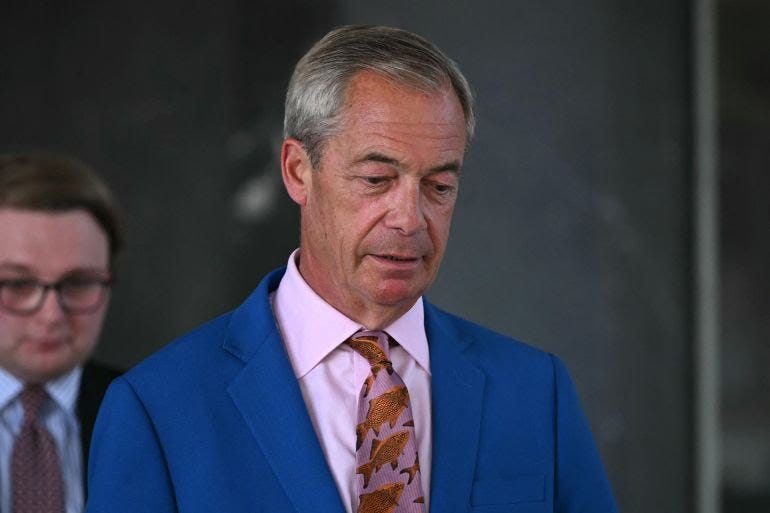
Not everyone is convinced by Burnham's vision. Conservative politicians and commentators have argued that his emphasis on expanding the role of the state and devolving greater powers to local authorities risks increasing public spending without delivering stronger economic growth. Some have questioned whether his record in Greater Manchester can be replicated across the country, warning that governing a city-region is fundamentally different from leading the United Kingdom. Reform UK Party Leader, former MP Nigel Farage, had some words to say.
“He [Andy Burnham] has literally no mandate for this at all… The British public have had enough of this game of musical chairs taking place in Downing Street”
- Nigel Farage
As Burnham begins his tenure, some expectations are high. His government will be judged on whether it can translate promises of national renewal into tangible improvements in living standards, public services, and economic opportunity. The coming months will determine whether his vision of a more decentralized and regionally balanced Britain can reshape British politics or whether the formidable economic and political pressures facing his government will prove harder to overcome.
Critics on the right have also challenged Burnham's political instincts, arguing that his support for greater public investment and stronger state intervention could place additional pressure on already stretched public finances. They contend that boosting private-sector investment, reducing regulation, and lowering taxes should take precedence over expanding government-led initiatives.
Supporters view Burnham as a pragmatic leader capable of reconnecting Labour with communities outside London, while critics see him as a politician whose ambitions may outstrip the country's financial capacity. As his premiership begins, both sides agree on one thing: Burnham will have little time to prove whether his vision can deliver results.
Great article Alex