


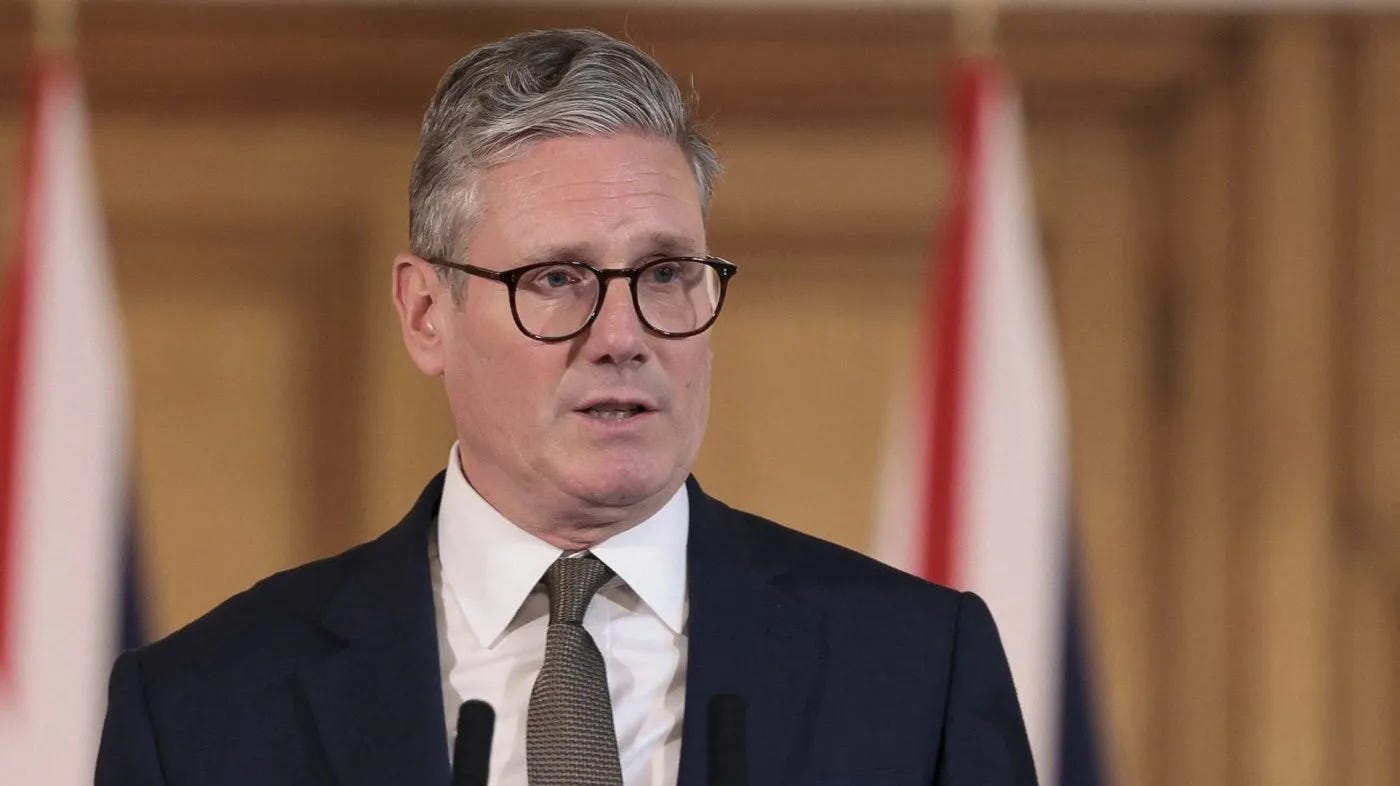
UK Prime Minister Starmer Resigns
British Prime Minister Keir Starmer resigned after losing the confidence of many Labour MPs following poor election results and mounting internal party pressure, paving the way for a new Labour leader to take over.
“Every decision I have taken has been about putting the country I love first. That is why I will resign as leader of the Labour Party.”
— Keir Starmer, June 22, 2026
What happened?
On Monday June 22, 2026, British Prime Minister Keir Starmer announced his resignation as leader of the Labour Party and confirmed that he will step down as Prime Minister once a successor is chosen. His departure comes less than two years after leading Labour to a historic landslide victory in the 2024 General Election.
Starmer’s resignation follows months of declining public support, disappointing local election results, cabinet resignations, and growing pressure from within his own party. In his resignation statement, Starmer acknowledged that many Labour members no longer believed he was the right person to lead the party into the next election.
The Labour Party is expected to begin the process of selecting a new leader in July. Former Greater Manchester Mayor Andy Burnham is widely viewed as the leading candidate to replace Starmer and could become the United Kingdom’s next Prime Minister.
Starmer will remain in office on a caretaker basis until the leadership transition is complete. His resignation marks another major political shift in the United Kingdom and opens a new chapter for both the Labour Party and British politics as a whole.
What Happens Next?
“The question my party is asking now is whether I am best placed to lead us into the next general election. I have heard the answer of my parliamentary party to that question, and I accept that answer with good grace.”
— Keir Starmer
With Keir Starmer’s resignation, the Labour Party must now organize a leadership election to choose its next leader. Because Labour currently holds a majority in Parliament, the winner of that contest is expected to become the next Prime Minister without a nationwide general election.
In the coming weeks, Labour Members of Parliament and party members will debate the future direction of the party, including how to address economic challenges, public services, immigration, and foreign policy. Several prominent Labour figures are expected to enter the race, making this one of the most significant leadership contests in recent British political history.
Political analysts believe the outcome could reshape Labour’s agenda and influence the United Kingdom’s political landscape for years to come. The transition will be closely watched by allies, markets, and governments around the world as Britain prepares for a new era of leadership.