


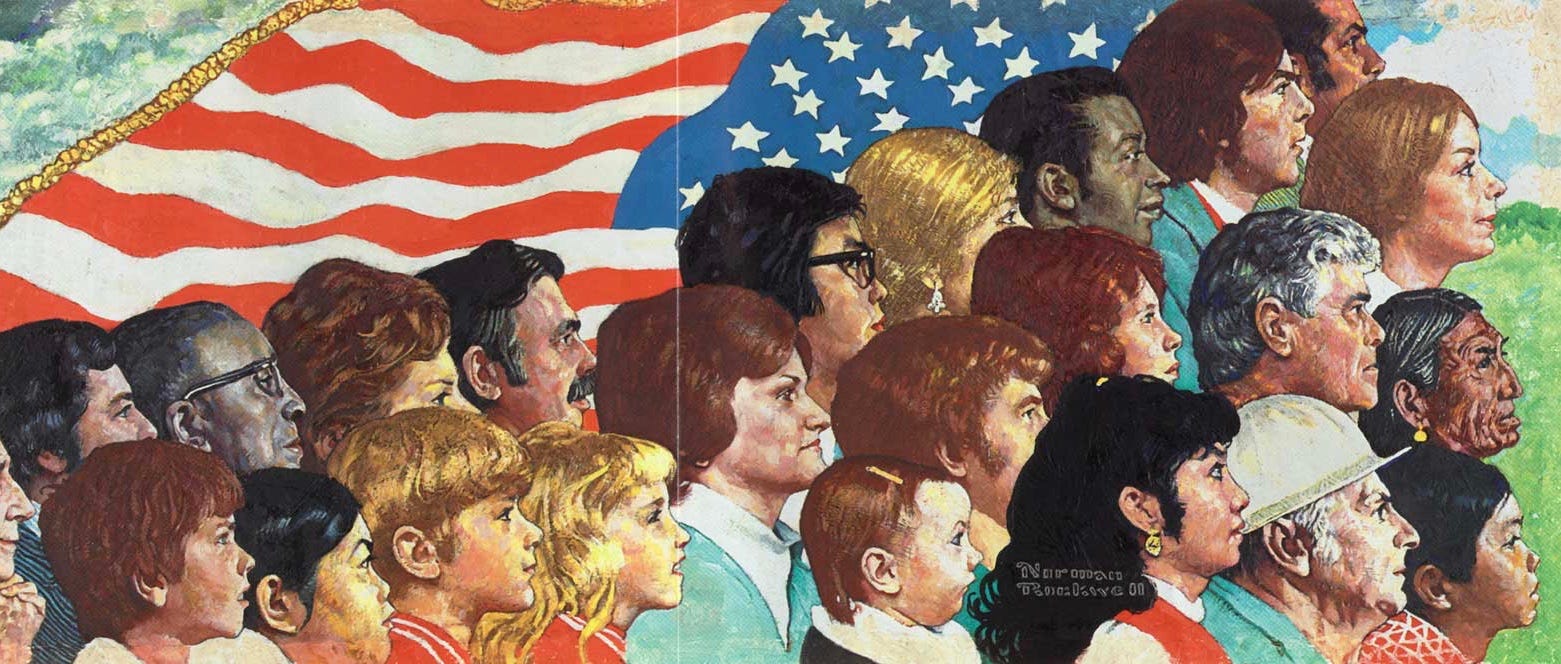
As we stand on the threshold of America’s 250th birthday in 2026—the Semiquincentennial of the signing of the Declaration of Independence—it is a fitting moment to pause amid the fireworks, parades, and celebrations. This milestone, organized through initiatives like America250 and supported by communities nationwide, invites us not just to revel in spectacle but to reflect deeply on what it means to be part of this extraordinary experiment in self-governance. For 250 years, the United States has weathered triumphs and hardships, made mistakes and accomplished incredible things, fallen short at times, and always found ways to move forward. Even when we disagree profoundly with our leaders or with one another, we remain Americans—and that shared identity is something worth cherishing.
Loving this country does not require us to pretend it is flawless. It means committing to its improvement, investing our time, energy, and hopes in its future. We can celebrate the land, its people, and the freedoms we hold dear while acknowledging imperfections. This Fourth of July, and the broader commemorations leading to 2026, offer a chance to express gratitude for the generations before us, especially our veterans and active-duty military members who have defended those freedoms. Let us remember we are all just people sharing this great nation. For one day—or better yet, for the spirit of the entire anniversary—let us set politics aside, come together, and celebrate with pride and hope. Here’s to 250 years of striving, growing, and never abandoning the promise of America.
The Founding Vision: A Bold Experiment
The story begins in 1776, when 56 delegates signed a document that proclaimed radical ideas: that all men are created equal, endowed by their Creator with unalienable rights to life, liberty, and the pursuit of happiness. This was no mere list of grievances against King George III; it was a philosophical foundation for a new nation. Thomas Jefferson, its primary author, drew on Enlightenment thinkers, but the document’s power lay in its application to ordinary people seeking self-determination.
The Revolutionary War tested this vision immediately. From the “shot heard round the world” at Lexington and Concord to the harsh winter at Valley Forge and the decisive victory at Yorktown, colonists endured immense sacrifice. George Washington’s leadership exemplified resilience; Benjamin Franklin’s diplomacy secured French alliance. The Treaty of Paris in 1783 formally recognized independence, but the real work was just beginning. The Articles of Confederation proved inadequate, leading to the Constitutional Convention of 1787. There, amid fierce debates, the Founders crafted a framework balancing power between federal and state governments, with checks and balances to prevent tyranny.
Founding Fathers like James Madison emphasized unity. Madison, often called the Father of the Constitution, warned against factions while advocating for a republic where diverse interests could coexist. Benjamin Franklin famously urged compromise at the Convention: when planks do not fit perfectly, take a little from both sides to make a strong joint. These insights remain relevant. The Bill of Rights, added in 1791, protected freedoms of speech, religion, press, assembly, and more—privileges we often take for granted but which were revolutionary at the time.
The early republic faced immediate challenges: the Whiskey Rebellion tested federal authority, westward expansion brought opportunities and conflicts, and the young nation navigated European wars. Yet, through it all, the promise endured. “We the People” was not just rhetoric; it signaled a government deriving legitimacy from citizens, not divine right or conquest.
Triumphs and Hardships: A Balanced Ledger
America’s history is one of remarkable progress intertwined with profound struggles. The 19th century saw territorial growth via the Louisiana Purchase, which doubled the nation’s size, and the fulfillment of Manifest Destiny. Innovation flourished: the Erie Canal, railroads, and inventions that powered the Industrial Revolution. The Union preserved itself through the Civil War, a brutal conflict that ended slavery with the 13th Amendment. Abraham Lincoln’s Gettysburg Address redefined the nation’s purpose: “government of the people, by the people, for the people.”
Yet, the costs were staggering. The war claimed over 600,000 lives. Reconstruction promised equality but was undermined by Jim Crow laws, segregation, and violence. Native American displacement, including the Trail of Tears, and the exclusion of women from full citizenship highlight where the nation fell short of its ideals. These are not footnotes but integral chapters that demand honest reckoning. Progress came through persistent effort: women’s suffrage in 1920 with the 19th Amendment, the Civil Rights Movement of the 1950s and 60s led by figures like Martin Luther King Jr., whose “I Have a Dream” speech echoed the Declaration’s promises.
The 20th century amplified America’s global role. Victory in World War II, after Pearl Harbor’s devastation, showcased industrial might and the Greatest Generation’s sacrifice. The Marshall Plan rebuilt Europe, the moon landing in 1969 symbolized technological ambition, and the Civil Rights Act of 1964 and Voting Rights Act of 1965 advanced equality. Economic booms lifted millions, but challenges persisted: the Great Depression, Vietnam, economic recessions, and social upheavals.
Each era tested the American character. Adversity often forged unity—World War II brought together diverse Americans in common cause; the response to 9/11 demonstrated resilience. Yet divisions remain real: political polarization, economic inequality, cultural debates. The beauty of the American system is its capacity for correction. Amendments, elections, courts, and free speech allow course adjustments without revolution.
The Melting Pot: Unity in Diversity
“E Pluribus Unum”—Out of Many, One—captures the essence. America has absorbed waves of immigrants: Irish fleeing famine, Italians and Eastern Europeans seeking opportunity, Asians after exclusionary laws were repealed, Latinos contributing to growth, and refugees from global conflicts. Each group faced prejudice but ultimately enriched the tapestry.
This diversity strengthens rather than weakens when bound by shared values: rule of law, individual liberty, equality of opportunity. Disagreements are inevitable in a free society. Federalists and Anti-Federalists clashed; today’s debates over policy echo those. But core identity as Americans transcends party. As George Washington warned in his Farewell Address, excessive partisanship threatens the union. Thomas Jefferson echoed: healing party divisions should be the object of every patriot.
Local communities exemplify this. Town halls, volunteer fire departments, churches, schools, and neighborhood events foster bonds beyond politics. Veterans from different backgrounds bond over service. Families gather for barbecues, sharing stories across generations. This grassroots unity is America’s quiet strength.
Freedoms: Privileges and Responsibilities
The freedoms enshrined in the Constitution are unparalleled. Speech allows dissent, vital for progress. Voting empowers participation. The pursuit of happiness encourages innovation—Silicon Valley, Hollywood, Midwest farms, Southern music, all reflect creative liberty.
Yet freedoms come with duties. Civic engagement: voting, jury service, informed debate. Education ensures informed citizenry. Economic participation builds prosperity. Defending the nation, as military members do, secures it for all. Gratitude to veterans is paramount. From Revolutionary minutemen to those in Iraq and Afghanistan, their sacrifices underpin everything. Current service members stand watch today, often in distant lands, embodying commitment to ideals greater than self.
Loving America means active stewardship. Environmental conservation, supporting education, mentoring youth, community service—these investments pay dividends across generations. Imperfections, such as past injustices, motivate rather than demoralize. Acknowledging flaws while celebrating achievements strikes the right balance. The arc of history bends toward justice, but only through human effort.
Looking to 2026 and Beyond
The America250 commemorations—from tall ships in Sail250 to state fairs, exhibitions, and educational programs—highlight this reflective spirit. The Smithsonian’s efforts, DAR initiatives, and local events encourage storytelling from all perspectives: Patriots of diverse backgrounds, everyday contributions, and visions for the future.
As we celebrate, consider personal connections. Families tracing ancestry to Ellis Island or the Mayflower. Innovations born from American ingenuity improving lives worldwide. Cultural exports inspiring globally. Economic opportunities attracting dreamers. The promise remains: a land where birth does not dictate destiny, where ideas compete, and where perseverance yields reward.
Challenges loom: technological disruption, geopolitical tensions, climate concerns, social cohesion. Yet history shows adaptability. The same spirit that crossed oceans, tamed frontiers, and split the atom can address modern issues. Innovation, entrepreneurship, and collaboration are American hallmarks.
A Call to Pride and Hope
This milestone is not about nostalgia alone but renewal. Put politics aside momentarily. Attend a parade, read the Declaration with family, visit a historical site, or simply thank a veteran. Engage neighbors differing in views over shared meals. Teach children the full story—triumphs inspiring, struggles instructive.
We are heirs to an unfinished project. The Founders knew their work was a beginning, not consummation. Each generation refines it. In investing in education, infrastructure, justice, and opportunity, we honor the past and secure the future.
To the generations before: thank you for the sacrifices, wisdom, and foundation. To veterans and military: your service safeguards liberty. To fellow Americans: despite differences, we share this land and its promise. Let us strive together.